
Is External Wall Insulation Worth It for a 1930s House?
Many homes built in the 1930s are still standing strong across the UK. They’re often valued for their generous room sizes, solid construction, and period features that newer properties often lack. That said, these houses were built long before modern energy-efficiency standards were introduced and, as a result, even well-maintained homes from this era can feel cold, draughty, and costly to heat.
If you own a 1930s property, you may be weighing up whether external wall insulation is a worthwhile investment. This guide explains why these homes need a slightly different approach, the potential benefits of insulating externally, what to consider before installation, and how it can improve everyday comfort and efficiency.
Why 1930s Houses Need Special Consideration
Homes built during the 1930s were constructed very differently from modern houses. Many feature solid brick walls or early cavity walls with little or no insulation. As a result, heat loss can be higher than homeowners expect, particularly during the winter months.
Even with the heating on, rooms can feel cold, and issues such as condensation may develop. Any insulation retrofit needs to be carefully planned to avoid damaging the building fabric or altering the appearance of the property unnecessarily. This is where external wall insulation can be a great option, provided it’s specified and installed correctly for the building type.
Benefits of External Wall Insulation for 1930s Properties
Improved Energy Efficiency
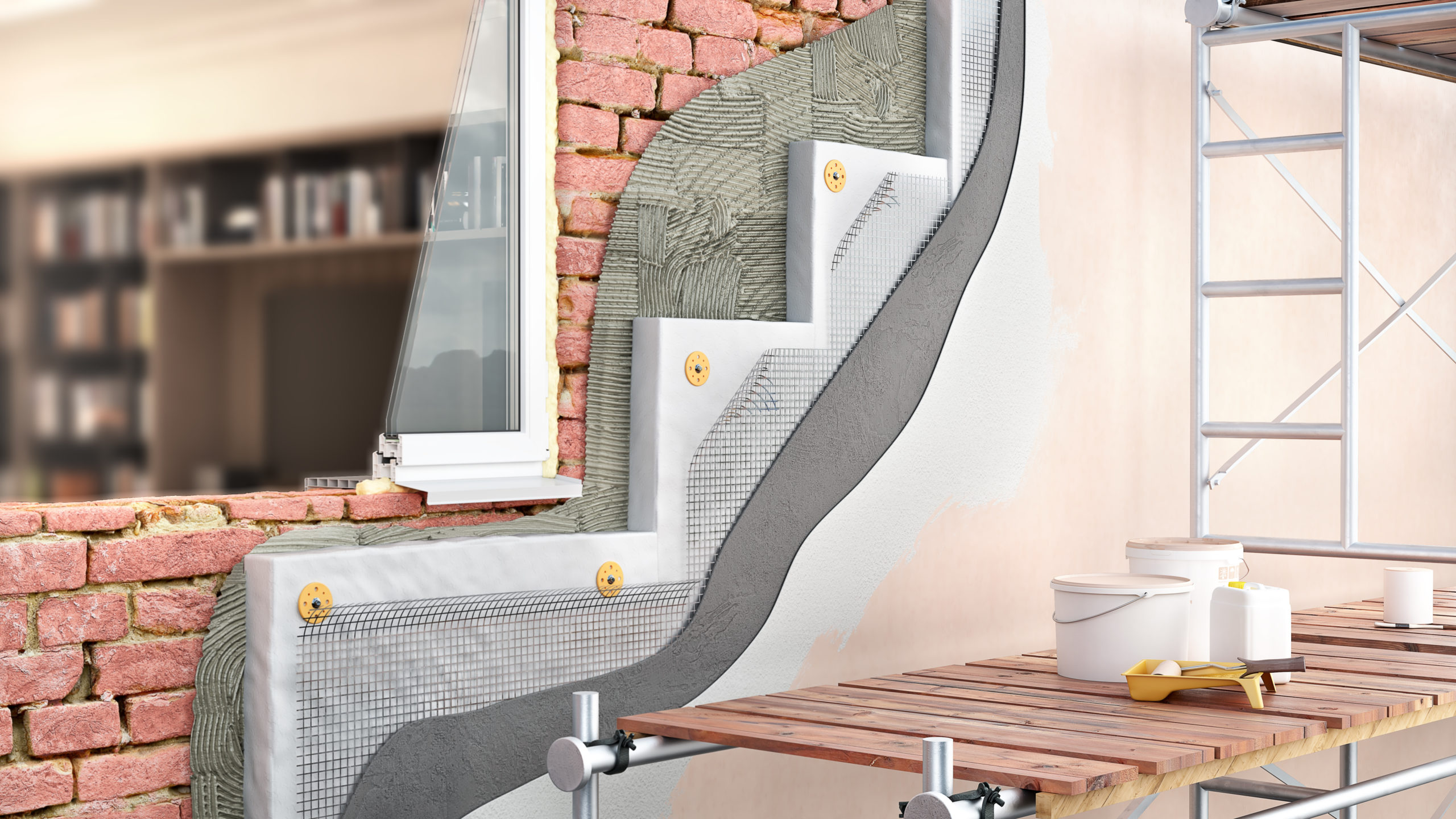
External wall insulation works by adding a continuous insulating layer to the outside of the home. This helps retain warmth during colder months and limits overheating in summer, reducing overall heat loss through the walls.
Lower Heating Bills
Because the home holds heat more effectively with EWI, less energy is needed to maintain a comfortable indoor temperature. Over time, homeowners see a noticeable reduction in heating costs.
Increased Comfort
One of the first changes people tend to notice is improved comfort. Internal wall surfaces feel warmer, temperature swings are reduced, and draughts become less noticeable throughout the house.
Better Protection for the Building
External wall insulation also provides an added layer of protection against the elements. It can help shield brickwork from driving rain and temperature extremes, reducing long-term wear.
Contemporary Upgrade
Modern finishes allow homeowners to update the exterior appearance of a 1930s house. Render systems, brick-effect finishes, or coloured coatings can refresh the look while still respecting the property’s character.
Taken together, these benefits explain why external wall insulation has become a popular upgrade for older homes.
Can a Brick Home Still “Breathe” with External Wall Insulation?
A common concern with insulating older brick homes is whether the walls can still “breathe”. In simple terms, this refers to the ability of the wall to manage moisture safely without trapping it inside the structure.
Traditional brick buildings were designed to allow small amounts of moisture vapour to pass through the walls, helping them dry naturally after rain. Modern external wall insulation systems take this into account and are designed to manage moisture effectively when installed properly.
How Moisture Is Managed
A professionally designed EWI system uses vapour-permeable materials that allow moisture vapour to escape outward while preventing rain from penetrating the wall. This typically includes breathable insulation boards, vapour-permeable finishes, and careful detailing around windows and doors.
When Problems Can Arise
Issues are more likely to occur if non-breathable materials are used on solid walls, existing damp problems are ignored, or the installation quality is poor. Inadequate internal ventilation can also contribute to moisture build-up. For this reason, a professional survey is essential before any insulation work begins.
An Added Benefit: Improved Moisture Control
Because external insulation keeps the wall structure warmer, the risk of internal condensation is often reduced. Warmer wall surfaces are less likely to attract moisture, which can help lower the chance of mould or damp patches forming inside the home. Many homeowners find that this leads to a healthier and more comfortable living environment overall.
Installation Considerations
Planning Permission
In many cases, external wall insulation falls under permitted development. However, permission may be required for listed buildings, homes in conservation areas, or where the external appearance changes significantly. It’s always sensible to check with your local authority before work begins.
Appearance and Finish
Choosing the right finish plays a key role in maintaining the character of a 1930s home. Smooth or textured renders and brick-effect systems are commonly used, and the finish should complement neighbouring properties where possible.
Cost and Budget
Costs vary depending on property size, access, system choice, and labour. While the upfront investment can be significant, long-term energy savings and improved comfort often help offset this over time. Some homeowners may also be eligible for energy efficiency grants, depending on circumstances.
Disruption and Timescale
Most installations take around one to two weeks. Scaffolding will be required, and external access may be limited during the work. However, disruption inside the home is usually minimal.
Is External Wall Insulation Worth It?
For many homeowners, insulating a 1930s house externally delivers long-term value through improved comfort, lower heating costs, and added protection for the building fabric. It can also improve visual appeal and support wider energy-saving goals.
That said, suitability depends on the individual property. Wall construction, location, planning restrictions, and budget all play a part. A professional survey is the best way to understand whether this solution is appropriate and what level of improvement to expect.
Take the Next Step
If you’re considering external wall insulation for a 1930s property, a detailed survey will confirm wall type, highlight any repairs needed beforehand, and provide a clear outline of costs and installation requirements.
Speaking to an experienced installer can help you decide whether external wall insulation is the right step toward improving comfort, efficiency, and long-term value in your home. Get in touch to book a consultation with Therm-Eco today.
FAQs
Is external wall insulation suitable for all 1930s houses?
Many solid-wall properties are suitable, but a survey is needed to assess condition, wall type, and planning requirements.
Will external wall insulation change the appearance of my house?
Yes, the exterior finish will change, although modern systems can be chosen to suit period properties.
Can external wall insulation help with damp?
It can reduce condensation by keeping walls warmer, but existing damp issues should be addressed first.
How long does external wall insulation last?
High-quality systems can last 30 years or more when installed correctly and maintained.
Will external wall insulation increase property value?
Improved energy efficiency and comfort can make a property more attractive to buyers.