
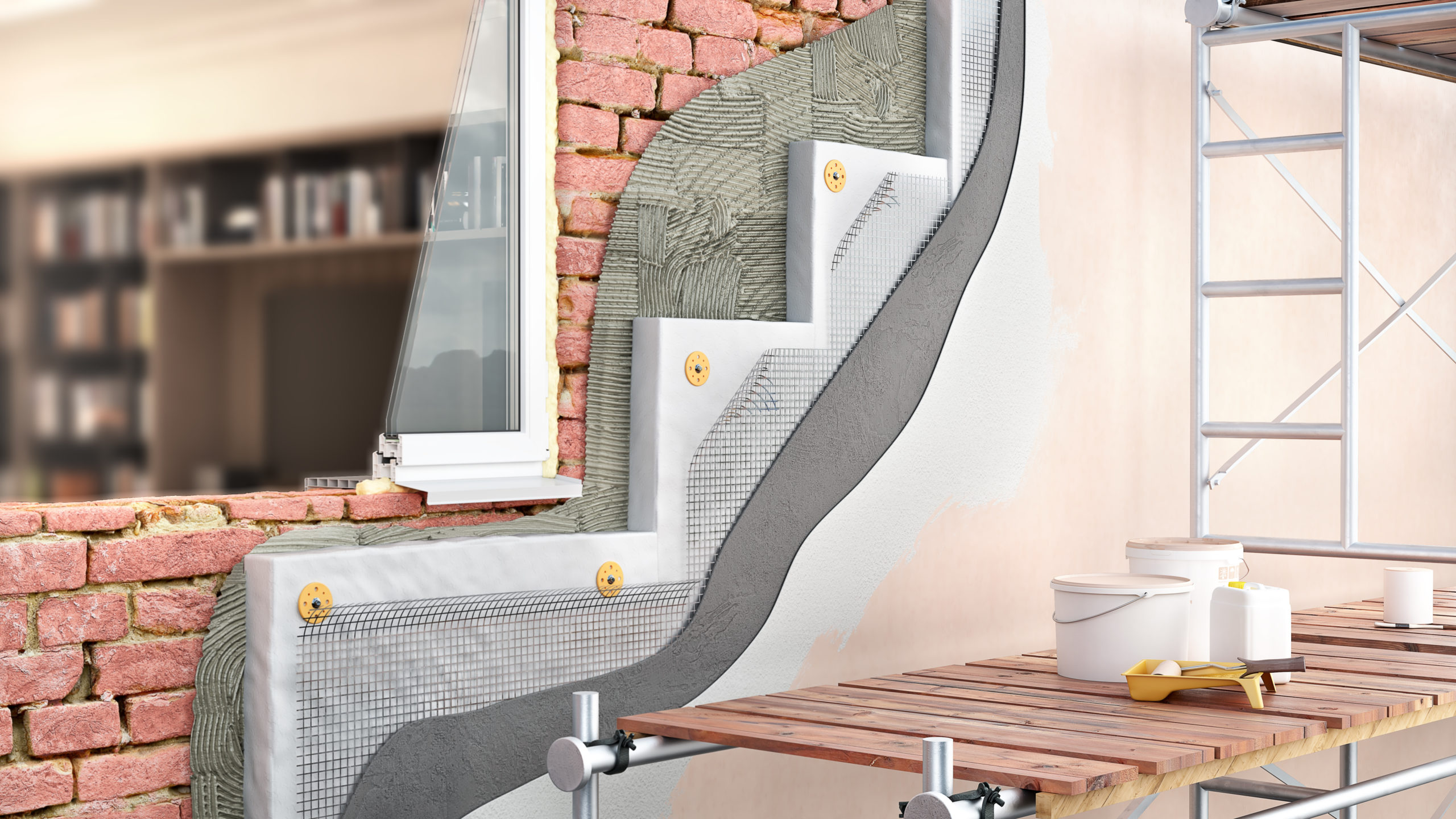
If you’re researching home upgrades, you may be asking: does external wall insulation cause damp? Damp is a common concern across the UK, especially with recent headlines about insulation schemes and mould problems.
The short answer is no — external wall insulation (EWI) does not cause damp when designed and installed correctly.
In this guide, we’ll explain:
- Why some UK insulation projects have caused damp issues
- How damp actually forms
- How EWI affects moisture in your home
- Practical steps to prevent problems
So, let’s separate fact from fiction.
Why Are People Worried About Damp and External Wall Insulation?
In recent years, UK insulation programmes such as the Energy Company Obligation (ECO) and the Great British Insulation Scheme (GBIS) have faced criticism. Some installations were rushed. In certain cases, poor fitting, blocked ventilation, and low-quality materials led to damp, mould, and health concerns.
Let’s be clear. These issues were not caused by insulation itself — they were caused by:
- Poor installation standards
- A lack of proper oversight
- Inadequate property surveys
- A shortage of skilled installers
Myth: Insulation itself causes damp
Truth: When insulation is badly fitted, moisture can become trapped. This can result in mould growth and condensation.
Fact: External wall insulation, when professionally installed, is designed to reduce damp, not cause it.
Common Homeowner Concerns About Damp
Many UK homes, especially older solid-wall properties, already struggle with damp. So it’s natural to wonder if adding insulation will make things worse.
Here are some typical worries:
- “Will insulation trap moisture inside my walls?”
- “Will my home stop breathing?”
- “Could mould get worse?”
- “Does external wall insulation cause damp in older houses?”
These concerns often stem from confusion about how moisture moves through buildings. To understand the answer, we need to look at how damp actually develops.
How Damp Develops in UK Homes
Damp is not one single problem. There are three main types:
1. Rising Damp
This happens when groundwater travels up through brickwork by capillary action. It usually affects ground-floor walls.
EWI does not cause rising damp. In fact, a proper installation includes checks to ensure damp-proof courses are working correctly before work begins.
2. Penetrating Damp
This occurs when rainwater enters through cracks, damaged brickwork, or faulty render.
External wall insulation actually helps prevent penetrating damp. The insulation system adds a new protective outer layer to the property, shielding the structure from wind-driven rain.
3. Condensation
This is the most common form of damp in UK homes. It happens when warm, moist air hits a cold surface and turns into water droplets.
Condensation is often mistaken for insulation failure. In reality, it’s usually linked to poor ventilation, lifestyle factors, or cold walls.
Here’s where EWI plays an important role.
How External Wall Insulation Affects Moisture
To answer the question clearly: does external wall insulation cause damp through condensation? Not when installed correctly.
External wall insulation works by keeping walls warmer. Warmer walls mean:
- Less cold surface area
- Lower condensation risk
- More stable internal temperatures
When walls are cold, condensation forms easily. By insulating externally, the wall structure remains warm and dry.
Breathable vs Non-Breathable Systems
Modern EWI systems are designed to manage moisture properly.
- Breathable systems allow water vapour to pass through while keeping rain out.
- Non-breathable systems rely on correct detailing and ventilation to prevent moisture build-up.
A professional installer will assess the property and recommend the correct system for the building type. Older solid-wall homes often benefit from vapour-permeable (breathable) materials.
If you’re considering EWI to tackle damp, follow these steps:
1. Get a Proper Survey
A full damp and ventilation assessment should be carried out before installation. Any existing damp issues must be resolved first.
2. Choose Accredited Installers
Look for installers with recognised certifications and experience in UK housing types.
3. Ensure Good Ventilation
Insulation improves airtightness. That’s good for energy efficiency, but ventilation must also be adequate. Consider:
- Trickle vents
- Extractor fans
- Positive Input Ventilation (PIV) systems
4. Use the Right Materials
Older properties may need breathable systems. Newer cavity wall homes may require a different solution.
5. Maintain the Exterior
Like any part of your home, EWI systems need occasional inspection. Check for cracks or damage to render and repair promptly.
When these steps are followed, external wall insulation improves comfort, reduces heating bills, and lowers condensation risk.
Is EWI suitable for Older UK Homes?
Older solid-wall homes often get blamed for damp issues after insulation upgrades. But the real issue is usually one of these:
- Pre-existing damp not treated
- Poor detailing around windows and doors
- Blocked ventilation
- Incorrect system choice
A well-designed EWI system keeps the building envelope warm and dry. In fact, many heritage properties benefit from improved thermal performance without internal disruption.
FACT OR FICTION: Does External Wall Insulation Cause Damp?
Let’s be clear:
- External wall insulation does not cause rising damp.
- It helps protect against penetrating damp.
- It reduces condensation when paired with proper ventilation.
- Problems arise from poor installation, not insulation itself.
Key Takeaways
Quality design, professional installation, and proper ventilation prevent damp.
While other UK insulation schemes have faced challenges in the past, the solution isn’t to avoid insulation altogether. It’s to ensure higher standards, better oversight, and skilled workmanship.
When installed properly, external wall insulation:
- Improves warmth and comfort
- Lowers energy bills
- Reduces condensation
- Protects your home’s structure
If you’re considering EWI for your property, speak to qualified professionals, request a thorough survey, and ask clear questions about ventilation and moisture control.
A well-informed decision today can protect your home for decades to come.
FAQs
Does external wall insulation cause damp and mould?
No. Damp and mould are usually caused by poor installation or lack of ventilation, not the insulation itself.
Can external wall insulation trap moisture inside walls?
Not when correctly designed. Breathable systems allow vapour to escape while keeping rain out.
Is external wall insulation safe for solid wall homes?
Yes, provided a proper survey is carried out and the right system is used.
How do I prevent condensation after insulation?
Ensure good ventilation, use extractor fans, and maintain steady indoor heating.
What went wrong with some UK insulation schemes?
Some ECO and GBIS projects suffered from rushed work, poor oversight, and unqualified installers — leading to avoidable damp issues.
Ready to make your home warmer and healthier? Get expert advice from Therm-Eco and ensure your insulation is installed the right way.