
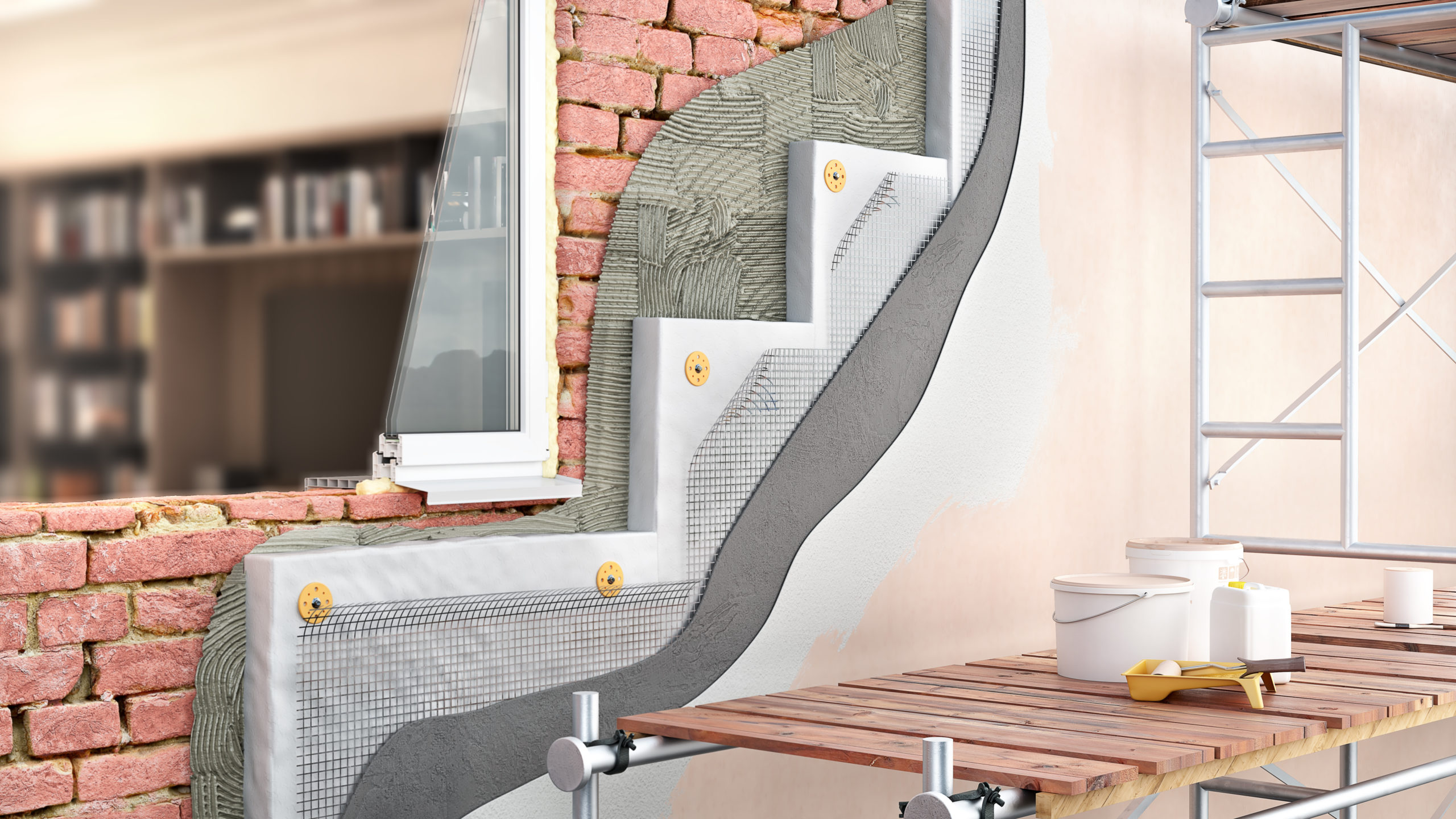
If your home sits in a conservation area, you might assume that external wall insulation (EWI) is off the table. The good news? It often isn’t. While conservation areas do come with extra planning considerations, many homeowners successfully install external wall insulation in a conservation area every year. The key is understanding the rules, choosing sympathetic finishes, and getting professional advice before work begins.
Conservation Areas vs Listed Buildings: What’s the Difference?
It’s easy to confuse the two, but they’re treated very differently in planning terms.
A listed building is individually protected because of its special architectural or historic interest. Any alteration that affects its character—inside or out—usually requires listed building consent, and EWI is rarely approved on the principal elevations.
A conservation area, on the other hand, protects the character of a whole neighbourhood rather than an individual property. Your house itself may have no special protection, but the council has greater control over changes that affect how the street looks. That distinction matters: in a conservation area, the question isn’t usually “can you insulate?” but “how will it look once you have?”
When Is Planning Permission Needed?
Outside of conservation areas, EWI can often be installed under permitted development rights, provided the materials are of a similar appearance to the existing house. Inside a conservation area, those rights are restricted—cladding or rendering the exterior of a house is generally not permitted development, so you will usually need to apply for planning permission before installing EWI.
Some councils also apply Article 4 directions, which remove specific permitted development rights and bring even minor external changes under planning control. Rules vary between local authorities, so always check with your council’s planning department before committing to a system or installer.
What Do Councils Look At?
When assessing an application for external wall insulation in a conservation area, planning officers typically consider how the finished result will affect the character of the area. That includes the finish and texture of the new render compared to neighbouring properties, the colour and how well it blends with the streetscape, and whether original features such as brick detailing, stone cills, corbels, or decorative arches will be lost or replicated. They’ll also look at the increase in wall thickness and its effect on window reveals, eaves, and the building line.
Rear and side elevations that aren’t visible from the street are often viewed more flexibly than front elevations, which can open the door to part-insulation schemes where a full wrap isn’t approvable.
Sympathetic Finishes Make All the Difference
Modern EWI systems are far more versatile than many homeowners realise. Thin-coat renders are available in a wide range of colours and textures, and brick-effect slips or render detailing can replicate the original facade so closely that the change is barely noticeable. Breathable, vapour-open systems are also available for older solid-wall properties, helping the building manage moisture naturally.
Choosing a finish that respects the existing character of the street is the single biggest factor in winning approval—and in keeping your neighbours happy.
How to Improve Your Chances of Approval
A well-prepared application stands a far better chance. Speak to your council early through a pre-application enquiry, and include accurate drawings, product specifications, and examples of the proposed finish. Photographs of the street scene showing how the insulated property will sit alongside its neighbours help officers visualise the result. Where original details exist, propose ways to retain or faithfully reproduce them. An experienced installer who has handled conservation area projects before will know exactly what planners expect to see.
Start With a Professional Survey
Every conservation area—and every property—is different. A professional survey will establish whether your walls are suitable for EWI, what system and finish would suit the property, and what the planning route looks like in your area.
At Therm-eco, we’ve helped homeowners across the South West navigate planning requirements and install external wall insulation that looks right and performs brilliantly. Book a free survey today and find out what’s possible for your home.
FAQ: External Wall Insulation in Conservation Areas
Q: Can you install external wall insulation in a conservation area? Yes, in many cases—but you will usually need planning permission first, as permitted development rights for rendering and cladding are restricted in conservation areas.
Q: Do I need planning permission for EWI in a conservation area? Almost always, yes. Check with your local planning authority before starting work, as rules vary between councils and some apply additional Article 4 directions.
Q: What’s the difference between a conservation area and a listed building? A listed building is individually protected and requires listed building consent for alterations. A conservation area protects the character of a whole neighbourhood, so the focus is on how changes affect the street scene.
Q: What finishes are acceptable in a conservation area? Councils favour finishes that match the local character—sympathetic render colours and textures, brick-effect slips, and replicated original details all improve your chances of approval.
Q: Will EWI devalue my home in a conservation area? No—done well, EWI improves energy efficiency, comfort, and kerb appeal. A sympathetic, professionally installed finish can enhance both the property and the wider street.