
Damp and mould are problems affecting millions of people across England, with many living in homes that have ongoing moisture, leaks or poor ventilation. Because these issues can harm health, the Government has strengthened its advice and rules. Current UK Government damp mould guidance aims to help landlords, renters, local authorities, homeowners understand risks and take action. This article explains what the Government is doing, what support exists, and the steps you can take to keep your home safe and healthy.
Understanding the Scale of the Problem
Research from the UK Health Security Agency shows that around 2 million people in England live in housing affected by damp and mould. These issues can lead to coughing, infections, asthma attacks and other breathing problems. This is why UK Government’s damp mould guidance focuses on recognising early warning signs and dealing with problems before they become severe. While not all damp is dangerous, ignoring it can put both health and property at risk.
Key Government Initiatives and Updated Guidance
Homes (Fitness for Human Habitation) Act 2018
This Act applies to landlords in England and requires rented homes to be “fit for human habitation.” Damp and mould hazards are considered when deciding whether a home is safe. The Act supports UK Government damp mould guidance by giving tenants the right to take action if their landlord fails to fix serious issues that affect their living conditions.
Housing Health and Safety Rating System (HHSRS)
Local authorities use the HHSRS to assess hazards in homes. Damp and mould are listed as one of the 29 hazards. If an inspector finds a serious (Category 1) hazard, they must take action. Category 2 hazards can also lead to enforcement. Updated UK Government damp mould guidance helps councils understand how to assess these conditions and ensures a consistent approach nationwide.
Awaab’s Law
Following the death of Awaab Ishak, new rules were introduced requiring social landlords to follow strict timelines when responding to damp and mould reports. From October 2025, landlords will need to investigate reported damp and mould within defined timeframes, act quickly to make homes safe, and complete necessary repairs within set deadlines. This law strengthens the responsibilities already highlighted in UK Government damp mould guidance.
Understanding the Health Risks
The Government’s official guidance, published by the Department for Levelling Up, Housing and Communities, explains how damp and mould affect health and what landlords and councils must do. It stresses the importance of good ventilation, regular maintenance and prompt repairs – messages echoed throughout all current UK Government damp mould guidance materials.
Local Authority Roles and Available Support
Local authorities have a duty to carry out inspections, investigate complaints and can issue improvement notices when damp or mould poses a hazard. Some councils also offer support or funding for repairs, though this varies by area. These may include help for vulnerable households, energy-efficiency advice or schemes that improve home warmth and ventilation. While not all areas provide financial support, homeowners can often access information through their local authority website or national programmes aimed at reducing energy use and improving housing quality.
Landlord Responsibilities and Enforcement
Landlords must keep their properties free from hazards that could harm tenants. This includes dealing with leaks, keeping heating systems in good condition and ensuring there is enough ventilation. The UK Government’s damp mould guidance makes it clear that damp and mould should never be blamed on lifestyle alone without proper investigation.
If a landlord fails to act, councils can intervene, issue notices or carry out repairs and recover costs. Social landlords will also be bound by Awaab’s Law, which sets legally enforceable deadlines for dealing with damp and mould problems.
Public Awareness and Government Messaging
Although there has not been a major national campaign solely focused on damp and mould, the Government has increased public messaging through updated guidance, official reports and safety notices. These resources encourage early action, explain health risks and help families understand how to reduce moisture at home. Messages are consistent with UK Government damp mould guidance, promoting better ventilation, regular checks for leaks and awareness of signs such as musty smells or black spots.
What Homeowners Can Do: Practical Steps and Reliable Resources
Homeowners have control over many of the factors that reduce damp and mould. Practical steps include:
Improve Ventilation
Use extractor fans, keep vents clear and open windows when cooking or showering. This aligns with UK Government damp mould guidance, which highlights good airflow as one of the most effective defences.
Maintain Steady Heating
Keeping rooms warm helps reduce condensation. Small temperature changes can have a big impact on moisture levels.
Check for Structural Problems
Look for roof leaks, blocked gutters or cracks that let water in. These structural issues often cause recurring damp.
Improve Insulation
Proper insulation is key to preventing damp and mould, as it helps maintain a stable internal temperature and reduces moisture build-up. Effective insulation can be achieved through several measures, including:
- Loft Insulation: Ensuring your loft is properly insulated helps keep the warmth in and prevents condensation on cold surfaces, which is a common cause of mould.
- Cavity Wall Insulation: Filling the cavity between your home’s external and internal walls with insulation reduces heat loss and prevents moisture from entering, which can cause damp.
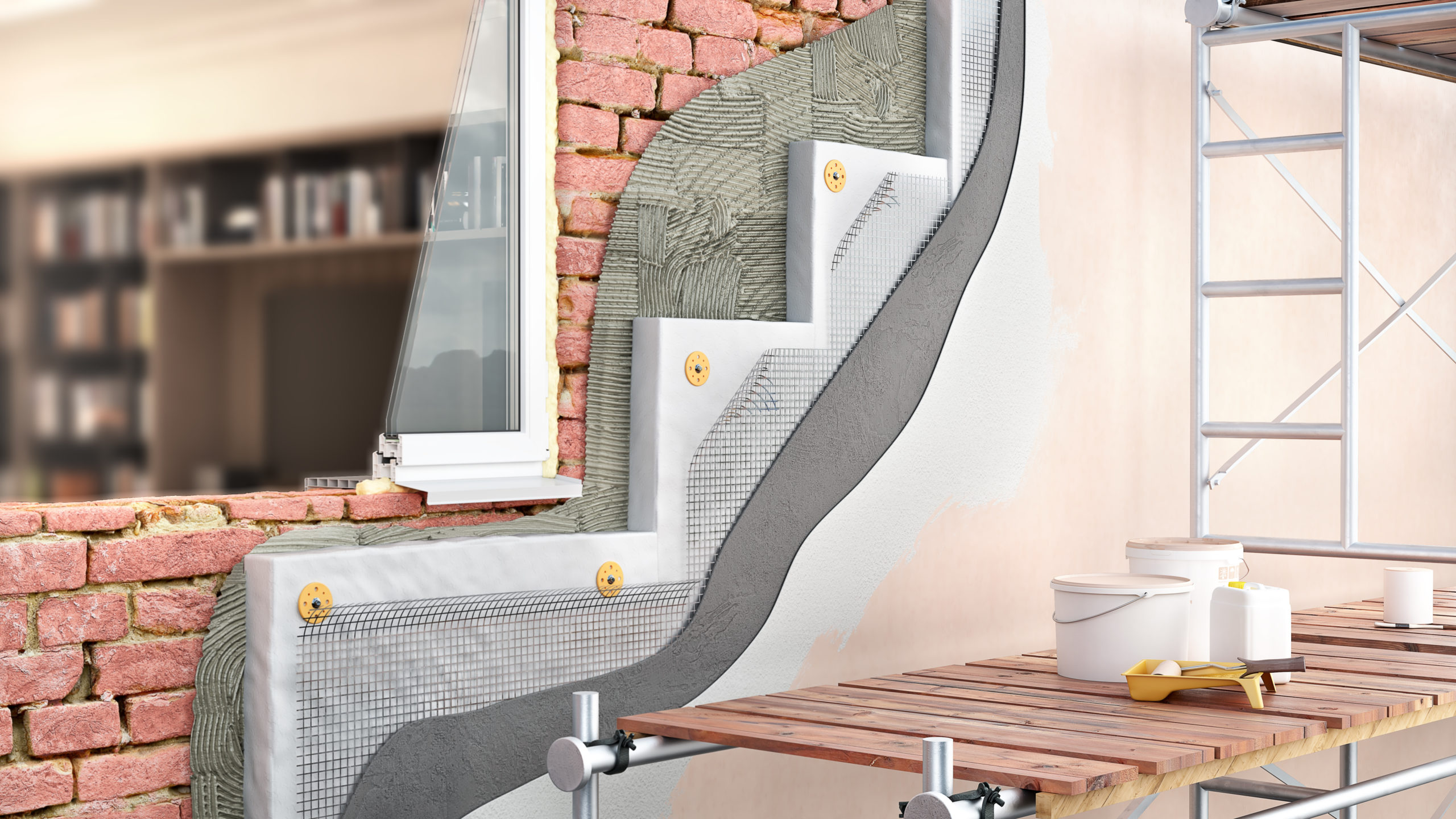
- External Wall Insulation (EWI). Installing External Wall Insulation involves adding a layer of insulating material to the exterior of your home, which helps:
Reduce Condensation: By improving thermal efficiency, EWI helps keep internal surfaces warmer, reducing the likelihood of condensation and mould growth.
Prevent Moisture Infiltration: It acts as a barrier to water ingress from the outside, helping to protect your home from driving rain and damp.
Increase Energy Efficiency: EWI also helps to reduce heating costs by improving the thermal insulation of your home.
Future Steps: What More Could Be Done?
Experts suggest further improvements could include clearer national standards for ventilation, more support for low-income households, and continued updates to homes. Stronger links between health and housing departments may also help ensure problems are tackled quickly and consistently.
Take Action to Protect Your Home
Today, homeowners have access to better solutions than ever for managing damp and mould safely. Taking action early protects your family’s and tenants’ health – and prevents costly repairs.
If you’re concerned about damp or want advice on improving your home’s insulation or ventilation, contact Therm Eco today for trusted guidance and support.
FAQs
- What does UK Government damp mould guidance cover?
It explains how to identify damp and mould, assess risks and manage repairs. - Can landlords be forced to fix damp?
Yes. Councils can issue notices, and Awaab’s Law sets strict rules for social landlords. - How can I reduce mould at home?
Improve ventilation, maintain steady heating and address any leaks early. - Who is responsible for damp in rented homes?
Landlords must fix structural or ventilation issues unless caused by tenant damage. - Are grants available to help fix damp?
Some councils offer support, but schemes vary by location.