
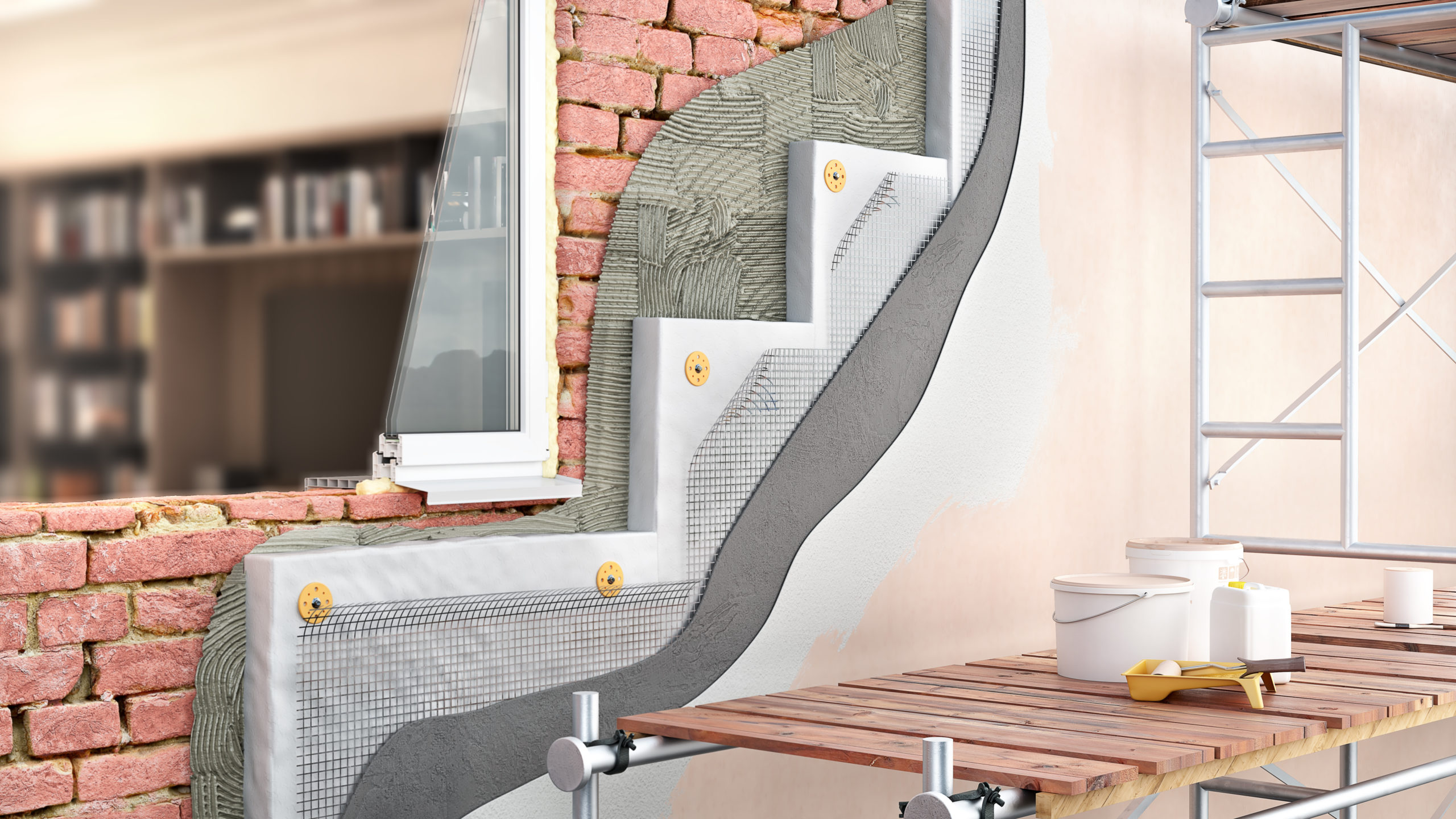
If you live near a busy road, under a flight path, or next to noisy neighbours, you’ll know how distracting outside noise can be. It’s not just an irritation; it can impact everything from your concentration to your sleep. External wall insulation (EWI) offers a smart solution. While it’s widely known for improving energy efficiency, EWI can also reduce the amount of sound entering your home from outside.
In this guide, we’ll explain how EWI helps create a quieter and more peaceful living space, which materials offer the best acoustic performance, and a few extra steps you can take to make your home even more comfortable.
More Than Just a Background Nuisance
Noise pollution is more than just a background nuisance. Studies show that ongoing exposure to external noise can increase stress levels, interfere with sleep, and even affect long-term health. For those living in high-traffic or densely populated areas, cutting down that noise is an important part of creating a comfortable home.
Many people turn to double glazing or loft insulation to help. While these options do make a difference, exterior walls are often the weak point, especially in older homes. Solid walls can let in more noise than you’d expect. Insulating them from the outside adds both thermal and acoustic protection, helping to block and absorb unwanted sound.
Long-Term Gains: From Comfort to Property Value
Reducing noise has clear everyday benefits — fewer disturbances, better sleep, and a calmer atmosphere. But the effects go even further. Lower stress levels and better rest can improve your wellbeing over time. Plus, homes that feel quiet and cosy are more appealing to buyers. So by investing in EWI, you’re not only cutting down on heating bills — you’re also adding long-term value to your property.
How EWI Works to Reduce Noise
When it comes to external wall insulation, soundproofing benefits is a bonus. The process involves attaching layers of insulating material and render to your home’s exterior. While this is mainly done to prevent heat loss, the added mass and density help block sound waves. Noise travels as vibrations through air and surfaces. EWI slows those vibrations before they can reach your internal walls.
The most effective EWI systems use dense materials like mineral wool, which can absorb and dampen sound. When combined with upgraded windows and doors, EWI creates a more sealed, quieter environment indoors.
How EWI Compares to Other Soundproofing Methods
When it comes to comparing methods, external wall insulation soundproofing stands out because it tackles noise at the source — your exterior walls. Other options, like acoustic curtains or internal wall panels, mostly address noise after it’s already entered your home. Double glazing is great for windows, but won’t help with wall-borne sound.
EWI, by contrast, wraps your home in an insulating barrier that cuts down both heat loss and external noise. While it requires a professional installation and a higher upfront cost, the long-term benefits in both comfort and energy savings make it a worthwhile investment.
Tips to Boost Soundproofing with EWI
To get the most from your external wall insulation, consider these extra steps:
- Seal Cracks and Gaps
Use acoustic sealant around windows, doors, and vents to reduce sound leaks. - Upgrade Your Windows
Secondary glazing or acoustic glass can cut down on high-frequency noise. - Install Soundproof Doors
Solid core doors with proper seals reduce noise transfer between inside and out. - Add Soft Furnishings
Carpets, heavy curtains, and wall hangings can help absorb internal sound reflections.
These additions, paired with EWI, can create a much quieter home environment.
Quiet Comfort, Long-Term Value
External wall insulation doesn’t just save energy — it helps you enjoy a quieter, more comfortable home. Whether you’re in a busy urban setting or a peaceful area where occasional noise still carries, EWI can make a noticeable difference.
At Therm Eco, we help homeowners across the UK find insulation solutions tailored to their needs. From expert advice to high-quality materials and professional installation, we make the process easy and worthwhile.
FAQs: External Wall Insulation and Soundproofing
What type of insulation is best for reducing noise?
Mineral wool is widely considered one of the best materials for both thermal and acoustic insulation, thanks to its density and structure.
Can EWI really help with road or traffic noise?
Yes. When installed with high-density materials like Rockwool, EWI acts as a sound barrier and can reduce noise from roads, railways, and airports.
How much quieter will my home be after EWI?
Results vary by location and wall type, but most homeowners notice a clear drop in external noise — especially in bedrooms and living spaces.
Does soundproof EWI affect ventilation?
Not when it’s professionally installed. Breathable render systems and membranes maintain airflow while still improving insulation.
Will EWI also reduce heat loss?
Absolutely. In fact, EWI’s primary role is to boost thermal performance — keeping your home warmer in winter and cooler in summer.